
A cracked panel after a storm, a section that has warped, a spot that keeps coming loose: at some point every homeowner asks whether to fix it or replace all of it. Both can be the right answer. Here is how to tell which one is right for your house, before anyone gives you a quote.
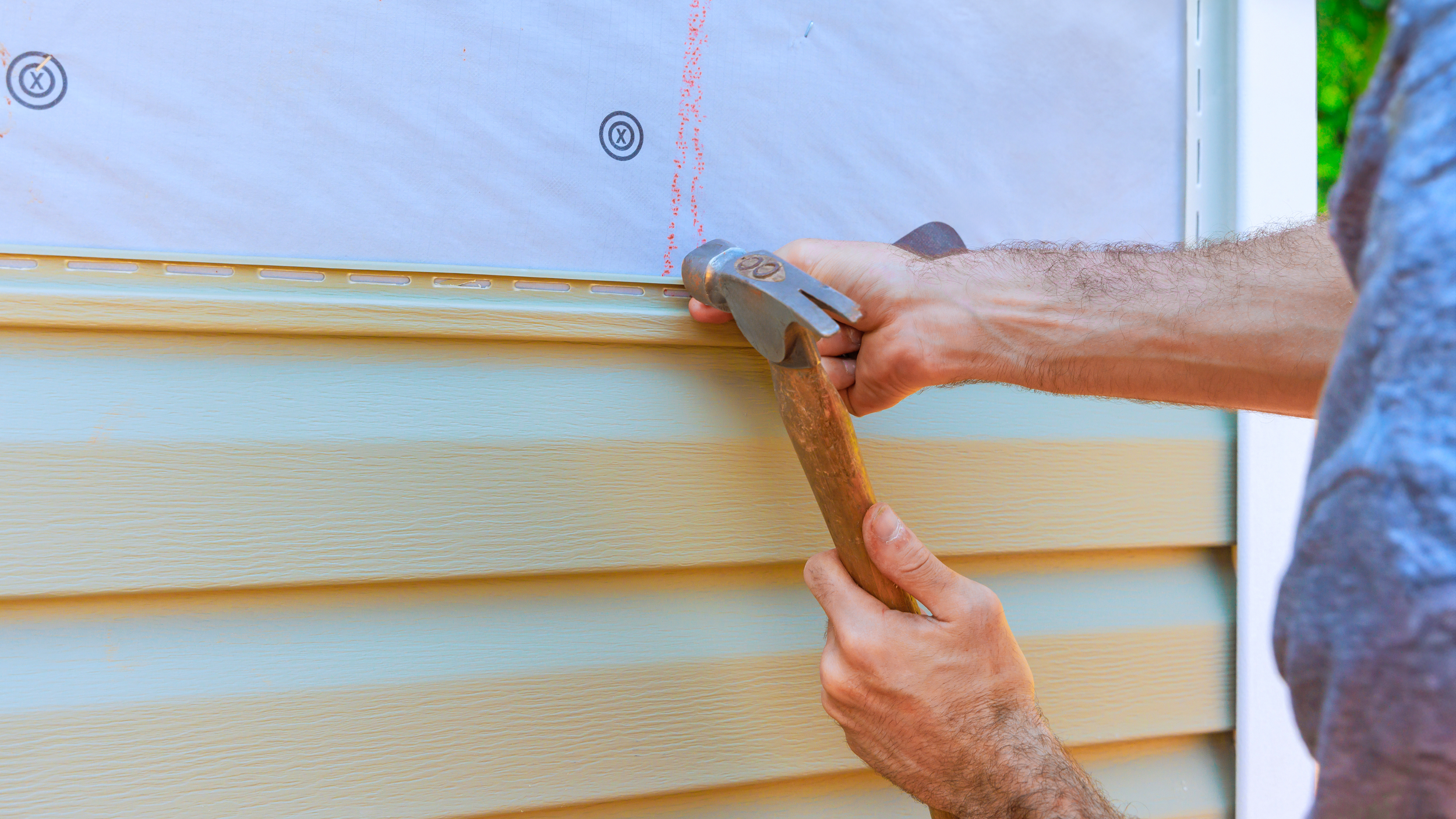
When spot repair makes sense
Repair is often enough when:
The damage is limited to a few panels in one area, for example from a fallen branch or one hit.
The wall behind the damaged panels is dry and sound.
The rest of the siding is in good shape and not near the end of its life.
Replacement panels are available in a color and profile that will blend with what is already there.
That last point matters more than people expect. Siding fades over the years, so a new panel next to old ones can show up as a patch.
When full replacement is the better move
Replacement usually makes more sense when:
Damage is spread across several walls, such as cracking, warping, or panels pulling away.
You find moisture, soft spots, or mold behind the siding.
You have repaired the same areas more than once.
The existing siding is old enough that panels no longer match, or are no longer made.
You are already planning other exterior work and want the house to look consistent.
How the cost trade-off works
Repair costs less up front, and replacement costs more but covers the whole house at once. Neither is automatically the better value. Repairs that keep coming back can add up, and replacing siding that only needed a repair is money you did not need to spend. We explain what drives the number in what goes into the cost of new siding.
Signs the problem is behind the siding
Siding is the outer layer. The damage that matters most is often underneath. Look for:
Panels that bulge or ripple
Stains or peeling paint on interior walls near an exterior wall
Mold or a musty smell near exterior walls
Soft or spongy spots when you press along the lower edge of the wall
If you see any of these, ask for the wall to be checked, not just the siding.
Ask for both options in writing
A fair estimate lays out repair and replacement side by side, with what each includes and what each costs. If a contractor only offers one, ask why. You should leave the conversation understanding the reason for the recommendation, not just the price.
Frequently asked questions
Can I replace just one side of the house?
Sometimes, if the damage is limited to that wall. Matching color and profile with the rest of the house is the part to ask about.
How long does siding last?
It depends on the material, the exposure, and how it was installed. Rather than guess at an age, look at its condition: cracking, warping, fading, and loose panels tell you more than a number does.
Does damaged siding cause problems inside the house?
It can, if water gets behind it. That is why checking the wall behind damaged panels matters.
Get a straight answer for your house
If you are not sure which way to go, schedule a free estimate. We will look at the siding and the wall behind it, and explain your options. You can also use our checklist for choosing a siding contractor on any quote you receive.
